
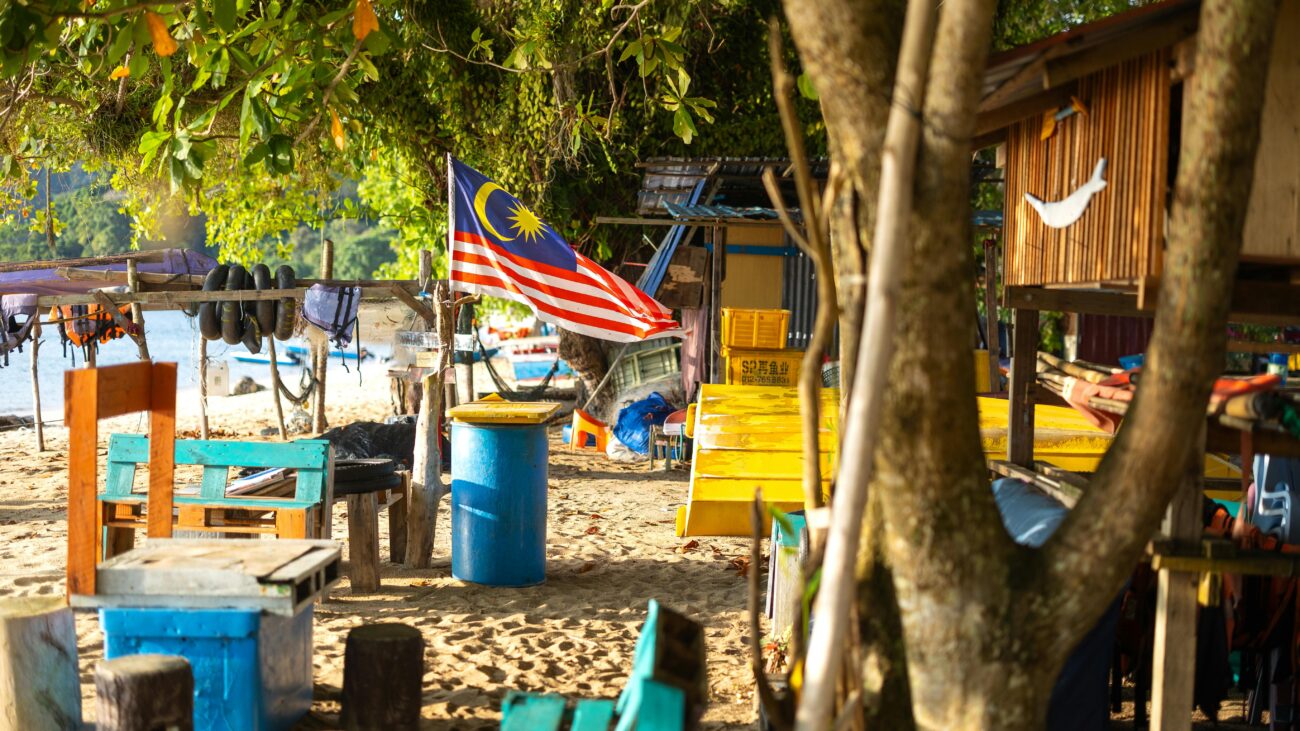
Travel in 2025 is about authenticity, sustainability, and meaningful exploration. Among the top destinations, Malaysia stands out as a vibrant country where tradition meets modernity, where pristine beaches sit beside skyscrapers, and where culinary delights capture centuries of cultural fusion. If you are planning to travel to Malaysia in 2025, this guide will walk you through everything: from preparations before your trip, to the unique specialties each region offers, and what to expect when immersing yourself in Malaysia’s culture and religion.
Why Travel to Malaysia in 2025?
Malaysia has long been a favourite for international travellers, but 2025 offers something even more special. Post-pandemic recovery has led to stronger tourism infrastructure, eco-tourism initiatives, and digital-friendly experiences. The country is more connected than ever, offering modern conveniences while still keeping its heritage alive.
Top reasons to travel to Malaysia in 2025:
- Affordability: Compared to other Asian destinations, Malaysia remains budget-friendly while offering luxury experiences.
- Cultural Fusion: A unique mix of Malay, Chinese, Indian, and indigenous traditions creates a vibrant cultural identity.
- Natural Wonders: From tropical islands to lush rainforests, Malaysia is a biodiversity hotspot.
- Modern Cities: Kuala Lumpur and Penang are global hubs with futuristic skylines, street art, and thriving tech scenes.
- Culinary Paradise: Malaysian food is one of the biggest attractions, reflecting its multicultural roots.
With Malaysia continuing to attract travellers from Europe, the Middle East, the US, and Asia, 2025 is the perfect time to explore.
Preparing for Your Travel to Malaysia in 2025
Before boarding your flight, you’ll want to make sure you are ready for the journey. Here are the main things to prepare:
1. Visa and Entry Requirements
- Citizens from many countries can enter Malaysia visa-free for 30 to 90 days.
- For longer stays or certain nationalities, apply for an eVisa or eNTRI (Electronic Travel Registration & Information).
- Ensure your passport is valid for at least 6 months from your date of entry.
** Please make sure you visit the official Malaysian Immigration website and check if you have all the necessary documents.
2. Flights and Transportation
Malaysia is well-connected globally. Kuala Lumpur International Airport (KLIA) is the main hub, while Penang, Johor Bahru, Kota Kinabalu, and Kuching also serve international flights.
For internal travel in 2025:
- Domestic flights (AirAsia, Batik Air, Firefly) are affordable.
- Electric buses and Grab (ride-hailing app) are eco-friendly and convenient options in cities.
- Trains are improving, with the ETS high-speed rail connecting Kuala Lumpur to northern Peninsular Malaysia.
3. Currency and Payment
- Currency: Malaysian Ringgit (MYR).
- Credit cards are widely accepted, but always carry cash for hawker stalls or rural areas.
- E-wallets like Touch N Go eWallet and GrabPay were widely used in 2025. You can download Touch N Go from this link & Grab from this link.
4. Weather and Packing Essentials
Malaysia has a tropical climate, meaning hot and humid weather year-round. Average temperatures range between 25°C to 33°C.
- Clothing: Lightweight, breathable clothes, but bring a shawl or long pants for religious sites.
- Umbrella/Raincoat: Rain showers are common, especially during the monsoon seasons (Nov–Mar on the East Coast, May–Sep in Borneo).
- Power Adapter: Malaysia uses Type G plugs, similar to the UK.
5. Cultural Etiquette and Religion
Malaysia is a Muslim-majority country, but it embraces multi-religious diversity with significant Buddhist, Christian, Hindu, and indigenous communities. Respecting traditions is essential:
- Dress modestly when visiting mosques or temples.
- Public displays of affection are frowned upon.
- Always remove shoes before entering someone’s home or a place of worship.
- During Ramadan, be mindful when eating or drinking in public during the day.
Exploring Malaysia by Region: What Each Part Offers in 2025
Malaysia is divided into Peninsular Malaysia (West Malaysia) and East Malaysia (Borneo: Sabah & Sarawak). Each region offers a unique flavour, both literally and figuratively.
1. Kuala Lumpur and Selangor – The Urban Heartbeat
If you’re arriving in Malaysia in 2025, your journey will likely begin in Kuala Lumpur (KL), the nation’s capital.
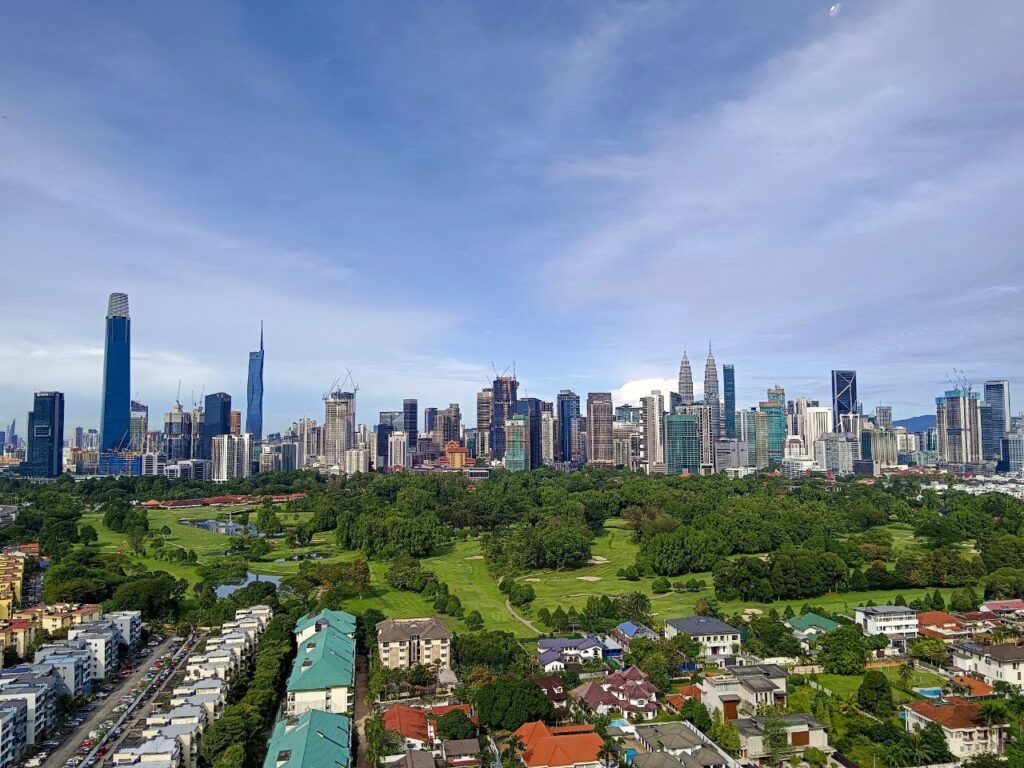
Highlights in Kuala Lumpur:
- Petronas Twin Towers: Iconic skyscrapers still awe-inspiring in 2025.
- Bukit Bintang: Shopping, nightlife, and street food.
- Batu Caves: A Hindu temple complex with giant statues and limestone caves.
- KLCC Park & Merdeka 118 Tower: For modern architecture lovers.
Selangor, surrounding KL, offers:
- Sunway Lagoon Theme Park (family-friendly).
- Kuala Selangor Fireflies: Magical night river cruises.
Speciality: Kuala Lumpur is the place for modern Malaysian cuisine—a mix of fine dining, street food, and fusion.
2. Penang – The Food Paradise
George Town, Penang’s capital, is a UNESCO World Heritage Site famous for its colonial architecture, street art, and—most importantly—its food.
Top experiences:
- Penang Street Food: Char kway teow, Penang laksa, nasi kandar.
- Street Art Trails: Murals that tell stories of heritage.
- Penang Hill & Kek Lok Si Temple: Stunning views and spiritual calm.
Speciality: Culinary tourism. Penang is Malaysia’s food capital, often ranked as one of the best street food destinations in the world.
3. Langkawi – Island Luxury
The Langkawi archipelago (99 islands) is known for its duty-free shopping, beaches, and eco-tourism efforts.
Things to do in 2025:
- Langkawi Sky Bridge: Panoramic views.
- Island Hopping Tours: Pristine beaches and marine life.
- Geopark Exploration: Recognised by UNESCO for its natural wonders.
Speciality: Luxury island getaways, ideal for honeymooners or travellers seeking relaxation.
4. Malacca (Melaka) – History and Heritage
A UNESCO World Heritage Site, Malacca is where Malaysia’s history of Portuguese, Dutch, and British colonisation comes alive.
Highlights:
- Jonker Street Night Market.
- A Famosa Fort and St. Paul’s Church.
- Melaka River Cruise.
Speciality: Cultural heritage and historical tourism.
5. Sabah (Borneo) – Adventure and Wildlife
Sabah is a paradise for adventure seekers.
Must-visit attractions:
- Mount Kinabalu: Southeast Asia’s tallest mountain.
- Sipadan Island: World-famous dive site.
- Sepilok Orangutan Rehabilitation Centre.
Speciality: Eco-tourism, wildlife, and world-class diving.
6. Sarawak (Borneo) – Culture and Nature
Sarawak offers rainforests, caves, and indigenous culture.
Top attractions:
- Mulu Caves (UNESCO site).
- Sarawak Cultural Village.
- Kuching: A charming riverside city.
Speciality: Indigenous culture, rainforest trekking, and festivals like Rainforest World Music Festival.
7. East Coast (Kelantan, Terengganu, Pahang) – Traditions and Beaches
This region is often less explored but offers authentic Malaysian traditions.
Highlights:
- Perhentian Islands & Redang Island: Perfect for snorkelling.
- Batik and Songket weaving villages.
- Traditional Malay food like nasi dagang and keropok lekor.
Speciality: Traditional Malay culture and pristine beaches.
8. Johor – Gateway to Singapore
Johor is becoming a tourist hub due to its proximity to Singapore.
Key attractions:
- Legoland Malaysia.
- Desaru Coast: A rising beach resort area.
- Johor Bahru City: Shopping and modern development.
Speciality: Family-friendly attractions and cross-border travel convenience.
Expectations When Travelling to Malaysia in 2025
1. Hospitality and Warmth
Malaysians are known for their friendliness. Expect warm greetings, smiles, and a willingness to help tourists.
2. Food Adventures
Prepare for a food journey like no other. From hawker stalls to fine dining, Malaysia’s food scene is unmatched. Eating is considered a cultural experience here.
3. Affordable Luxury
You can experience 5-star hotels, spa resorts, and private tours at prices significantly lower than in Europe or the US.
You can check out some of my suggestions:
Also, check out my reviews of some of the hotels and food in Malaysia.
4. Religion and Culture
Respect is key. Expect to see mosques, temples, and churches coexisting peacefully. Festivals like Hari Raya Aidilfitri, Chinese New Year, Deepavali, and Gawai offer vibrant cultural displays.
5. Modern Yet Traditional
While Malaysia boasts skyscrapers, supermalls, and modern infrastructure, traditions are alive in villages, markets, and cultural practices.
Sustainable and Responsible Tourism in Malaysia 2025
Malaysia is putting a strong focus on eco-tourism and sustainable travel. As a traveller, you can contribute by:
- Choosing eco-friendly resorts and operators.
- Supporting local artisans and small businesses.
- Reducing plastic waste (many regions are phasing out single-use plastics).
- Respecting wildlife and nature reserves.
Final Tips for Travel Malaysia 2025
- Stay Connected: SIM cards and eSIMs are cheap and widely available.
- Learn Basic Malay Phrases: “Terima kasih” (thank you), “Selamat pagi” (good morning). Locals appreciate the effort.
- Budget: Daily travel budget can range from USD 30 (backpacker) to USD 100+ (luxury).
- Festivals: Plan your trip around cultural festivals for a more enriching experience.
- Safety: Malaysia is generally safe, but always practice common-sense precautions.
Conclusion
Travelling to Malaysia in 2025 is about embracing a country where modern cities meet ancient traditions, where food becomes the best way to connect with culture, and where every region offers something unique. Whether you’re scaling mountains in Sabah, tasting char kway teow in Penang, or soaking up heritage in Malacca, Malaysia promises an experience that is warm, affordable, and unforgettable.
With the right preparations and respect for its culture and religion, your Malaysia journey will not only be smooth but deeply meaningful. Pack your bags, keep an open heart, and get ready for one of the most exciting travel experiences in Asia in 2025.
